 Sisu the Hedgehog
Episode 4 · Season 1 · Autumn
Why Do Some Hares Turn White in Winter? A Simple Explanation for Kids
The short answer
Mountain hares grow a white coat for winter. White fur hides them in the snow, and brown fur hides them among the leaves. When spring comes, the brown coat grows back.
Read it out loud: it's written for a four-year-old.
Explaining it to your child
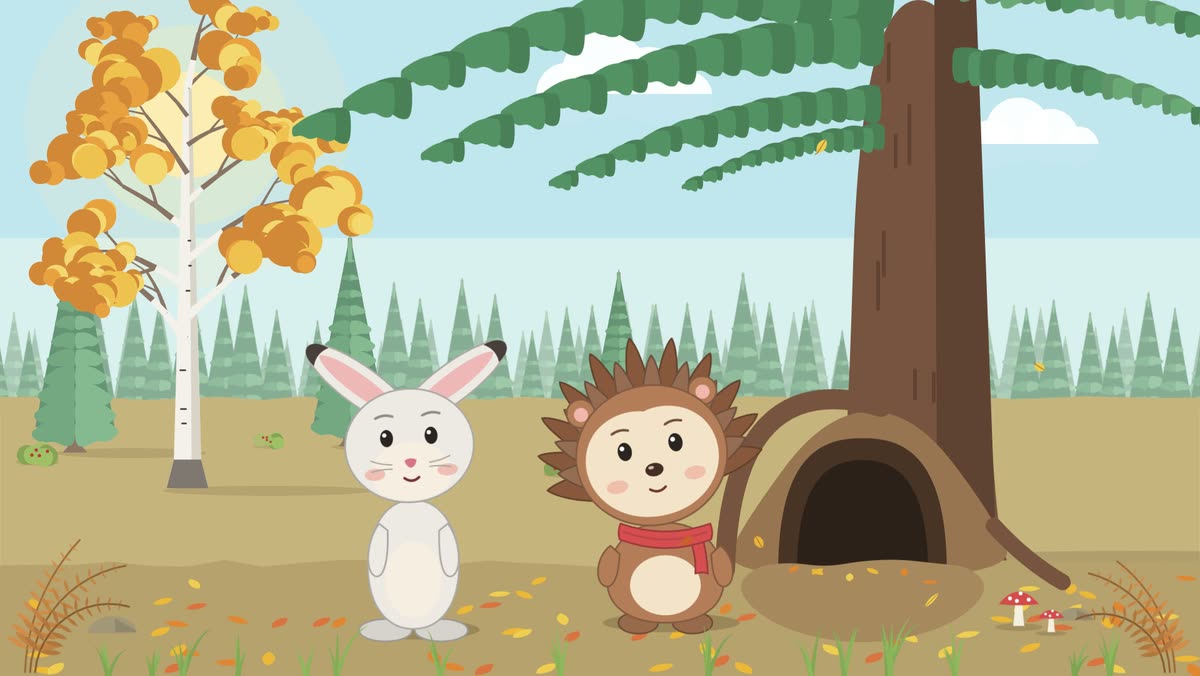
In the episode Pupu arrives with a brand-new white coat, and Sisu hardly recognises the old friend. Is Pupu turning into a cloud? Did Pupu fall into a bucket of milk? Grandma Owl has the real answer.
A coat for hiding
Pupu is a mountain hare, and mountain hares change colour with the seasons. In summer the forest is brown and green, so a brown hare can sit very still and hide unseen. In winter everything is covered in snow, so a white hare is much harder to spot. Hiding by matching the colours around you is called camouflage, and it helps the hare stay safe.
The fur doesn't get painted
The hare doesn't turn white like a wall being painted. In autumn it slowly sheds its brown fur and grows new white fur in its place, a little at a time. That's why, for a while, a hare can look patchy, half brown and half white. The winter coat is thicker and warmer too, which the chorus calls "white and cozy, safe and strong."
Brown again in spring
When the snow melts in spring, the hare sheds the white coat and grows its brown one back. Brown in summer, white in snow: the song's title is the whole fact.
Not every bunny does this
Pet rabbits and most rabbits in towns stay the same colour all year. Changing to white is something a few animals in snowy places do, such as the mountain hare, the snowshoe hare, the stoat and the ptarmigan, a bird.
What the episode teaches
- mountain hares grow a white coat for winter
- white fur hides them in the snow; brown fur hides them among the leaves
- the brown coat comes back in spring
Watch the episode
Grandma Owl answers the question with a song, Brown in Summer, White in Snow. The whole episode is about 2.5 minutes long, calm and quiet. The song starts at 0:46.
Try it together: play the camouflage game
This shows camouflage better than any explanation.
- Cut a few small "hares" out of white paper and a few out of brown paper.
- Scatter them on a white sheet or a snowy patch outside. Ask your child to find them all. Which ones were easy to spot?
- Now scatter them on brown leaves or a brown blanket. Which ones are hard to find now?
- Ask: "If you were a hare in the snow, which coat would you want?"
On a winter walk, look for real camouflage: a grey bird on a grey branch, a brown leaf on brown ground.
Sing along: Brown in Summer, White in Snow
Brown in summer, white in snow,
that's how the mountain hares go!
Hide and seek all winter long,
white and cozy, safe and strong!
The chorus from the episode. Sing it slowly; little ones love the repeats.
Printables to go with it
The Forest Wonders Pack has a colouring page for every first-season episode, the lyrics to all six songs, an autumn leaf hunt, a winter track hunt and nature "wonder cards" for walks. It's free.
Or print a free colouring page and leaf hunt right now: A4 · US Letter
Questions parents ask
Do all rabbits turn white in winter?
No. Pet rabbits and most wild rabbits stay the same colour all year. Only some animals in snowy places change, like the mountain hare and the snowshoe hare.
How does a hare turn white?
It sheds its brown summer fur and grows new white fur in its place, little by little. For a while it can look patchy, half brown and half white.
Why does the hare want to be white?
So it's hard to see in the snow. Blending in with the colours around you is called camouflage, and it helps the hare stay safe.
Does changing colour hurt the hare?
No. It's like our hair growing: old fur falls out and new fur grows, and the hare doesn't feel it.
Related questions
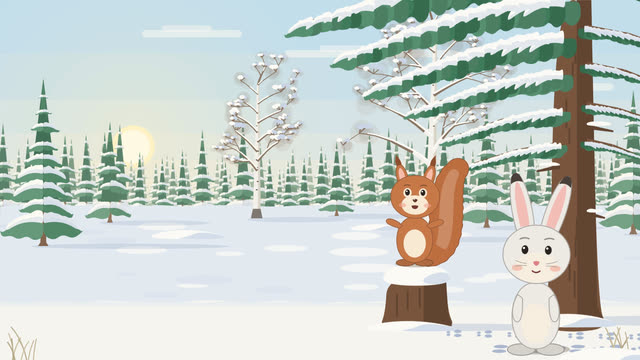
Sisu the Hedgehog is a calm animated series for ages 3–6: Sisu the little hedgehog asks a big question about nature, Pupu the bunny guesses, and Grandma Owl sings the answer. The characters' voices and the music are made with synthetic voice and audio tools. More questions · All episodes on YouTube